Since the first half of the 19th century, a tremendous sense of hope has swept across Europe: for all the exploited and oppressed peoples, decimated by years of deprivation and famine, a promised land suddenly came into view: America. By the millions, they set sail on a journey of no return, and for decades the final stage of this unprecedented mass emigration was a small island called Ellis Island, where the United States immigration authorities had established their reception centre. On the narrow sandbank at the mouth of the Hudson, just a few nautical miles from the new Statue of Liberty, all those who have since formed the American nation come together for a brief time. From 1892 to 1924, nearly sixteen million people pass through Ellis Island. Most stay there for only a few hours.
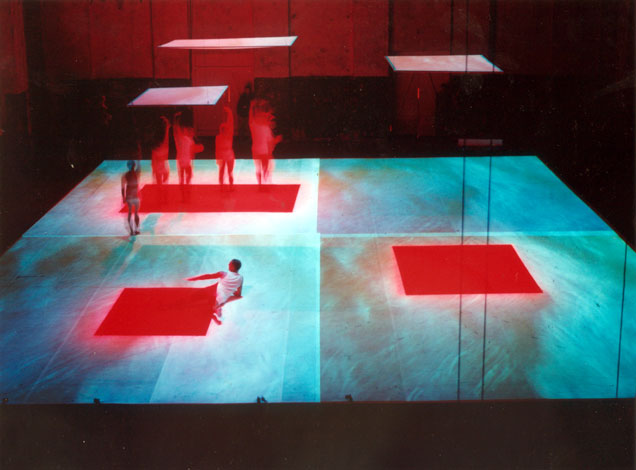
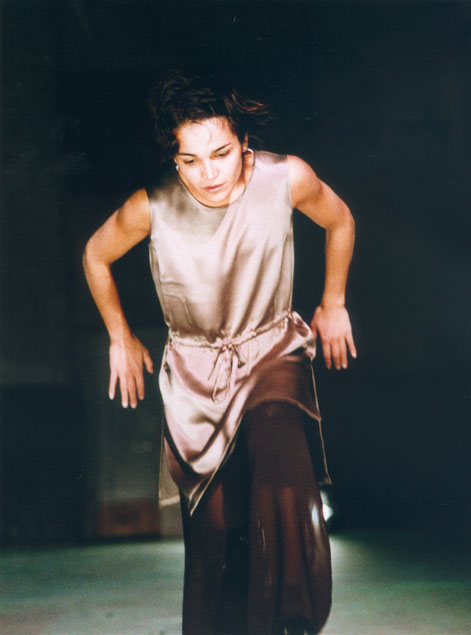
The history of Ellis Island serves as both inspiration and metaphor for the second piece that dancer Katja Büchtemann and composer Achim Bornhöft are realising together under the provisional project title ‘Die Folgen der Fortsetzung’ (The Consequences of the Sequel). Through the careful use of multimedia technology, they are once again attempting to explore the poetic possibilities of experimental stage art.
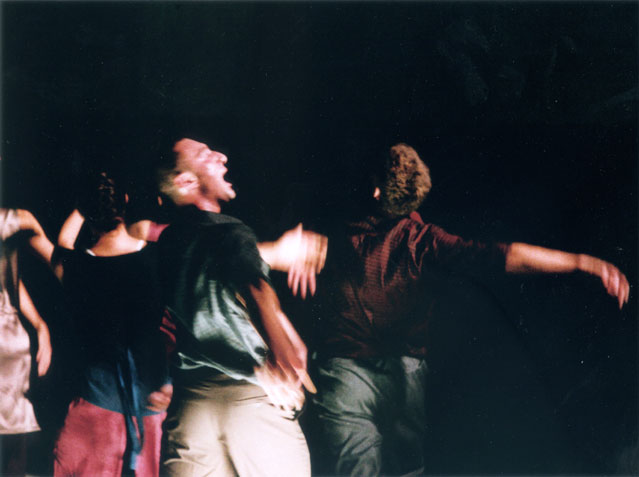
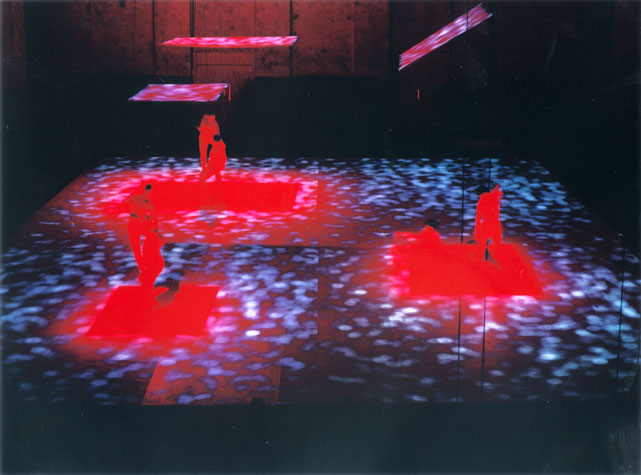
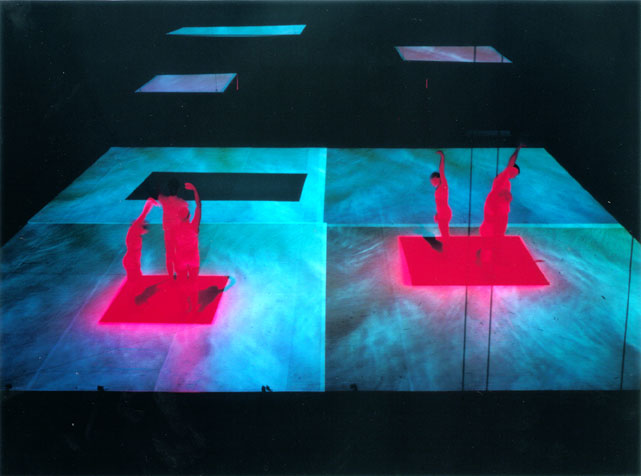
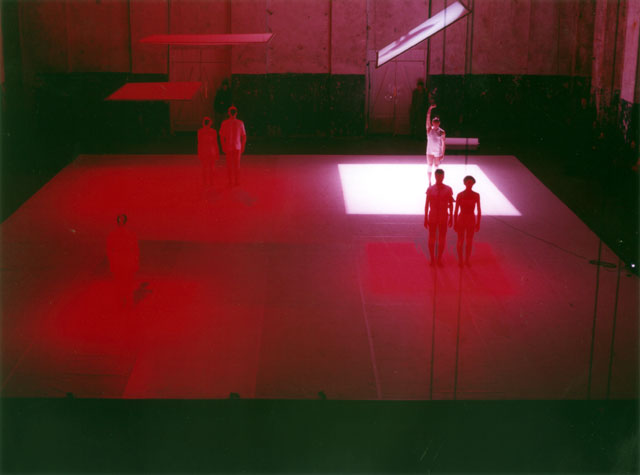
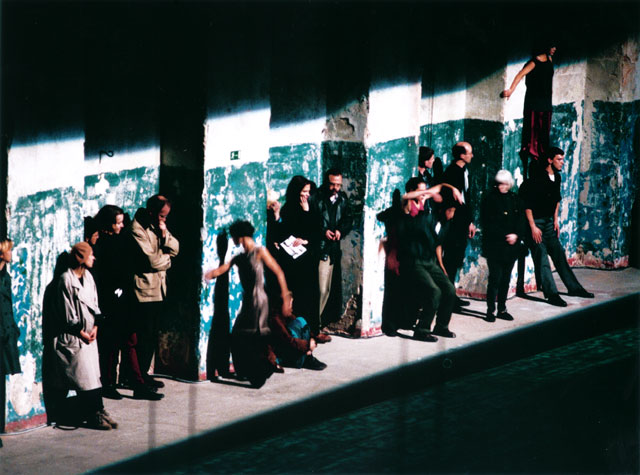
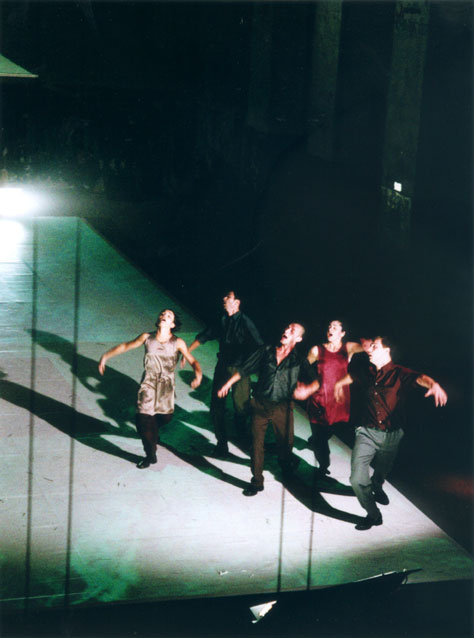
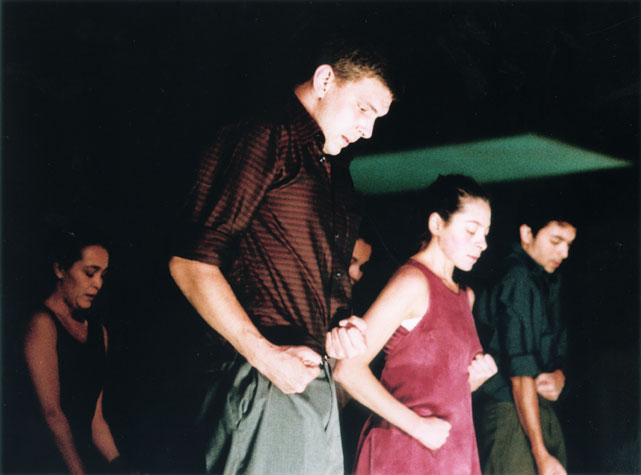
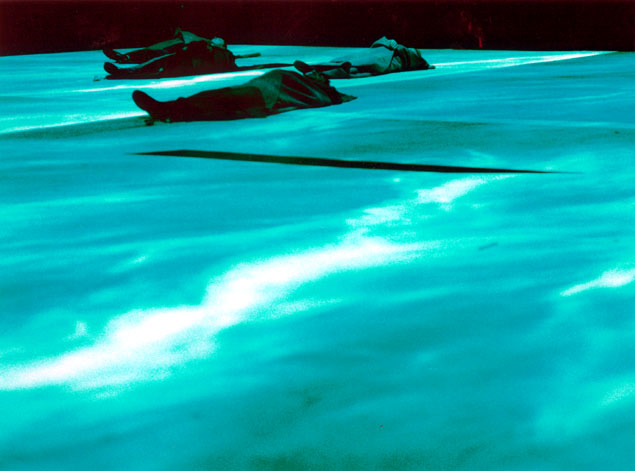
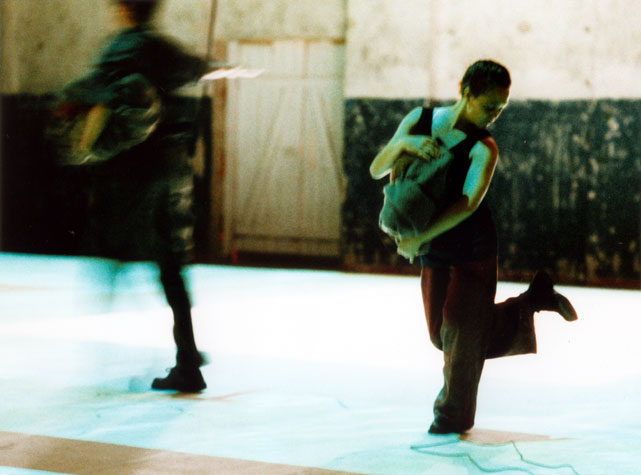
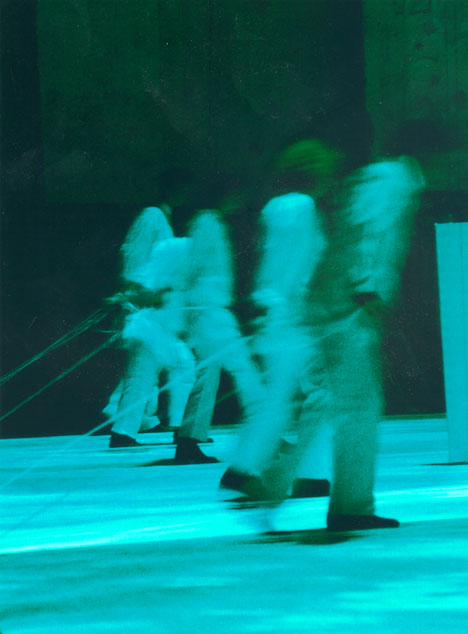
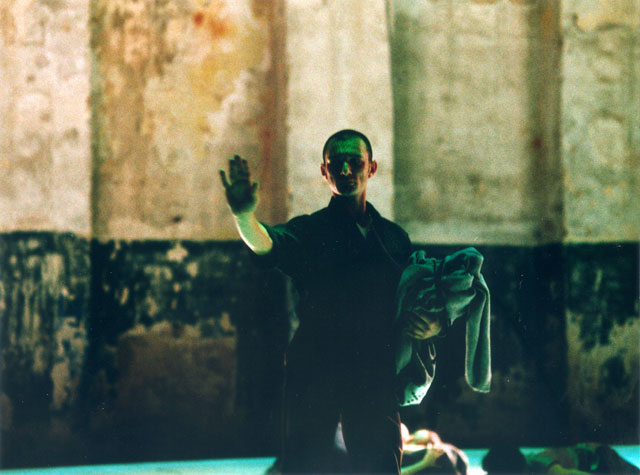
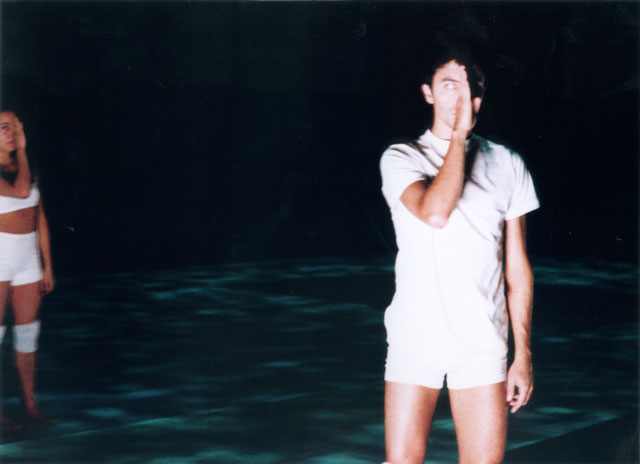
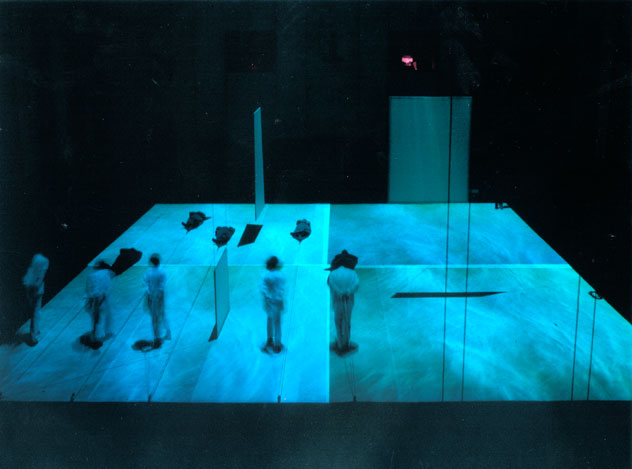
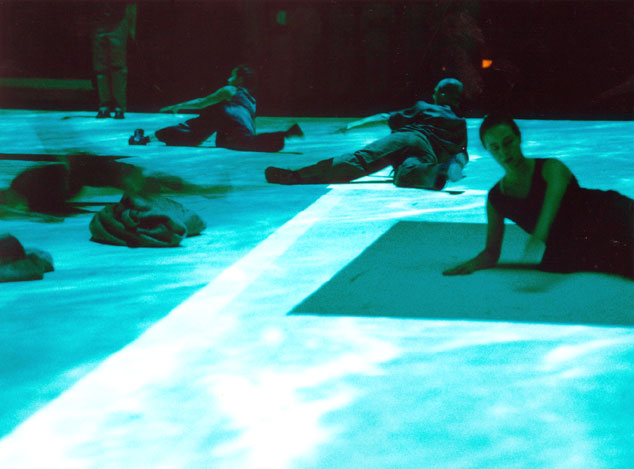
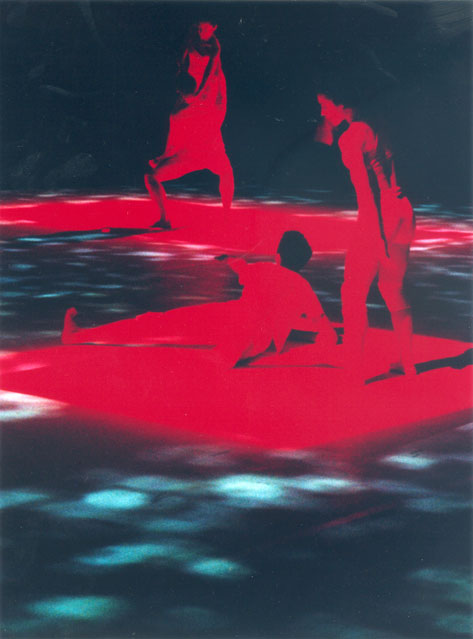
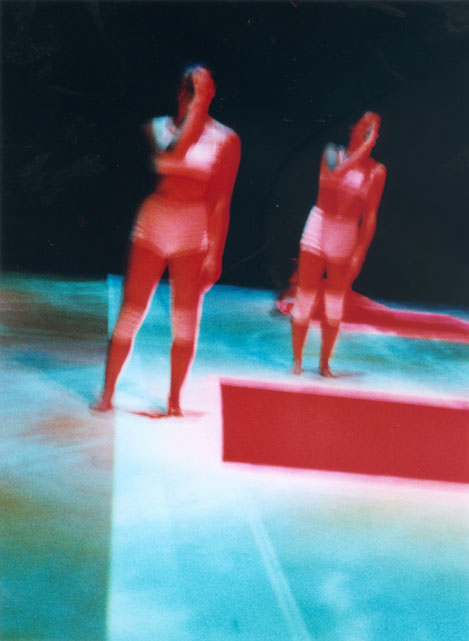
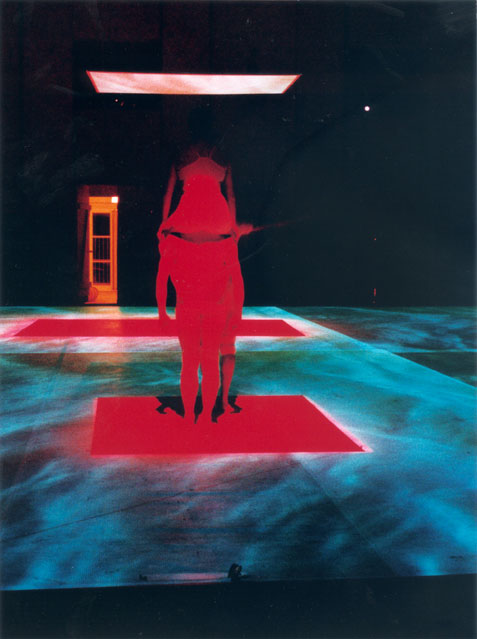
Six dancers, accompanied by a choir and recorded sound, find themselves – as people of the most diverse origins – in an enclosed space to undergo a single, identical test that will determine their future and, with it, their hopes and visions. In this zone, governed by its own unknown laws, they look back on their lives so far before undergoing rituals at various stations, in which they attempt to forget their origins, history and traditions in order to conform to the image of humanity that will grant them entry into a new life in a new place. In this endeavour, they draw closer to one another and thus experience their first sense of solidarity within a community of the homeless. In the end, a deserted place remains, and with it the stories of the people whose life journeys were divided here into the past and the future.